
Smart lighting: why control systems matter as much as fixtures
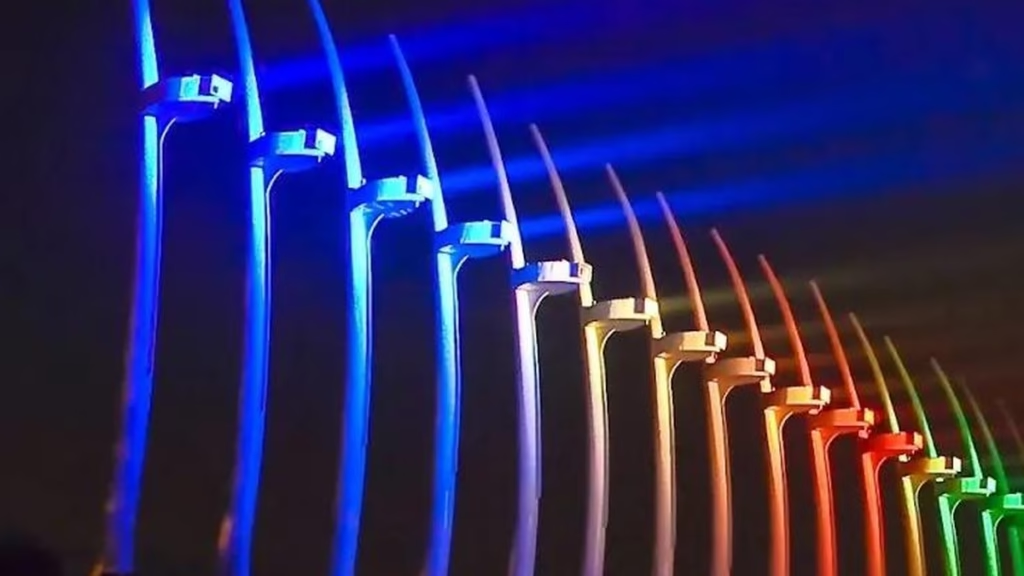
LED technology has made lighting more efficient and compact, but the biggest gains in flexibility and operating cost often come from how the lighting is controlled. From switching to scenes A modern control system lets operators recall saved scenes, schedule lighting by time or event, and adjust brightness and colour by zone. For architectural lighting this means one facade can present very different looks across the year without touching a fixture. Efficiency and lifecycle cost Dimming, scheduling and occupancy-based control reduce energy use, and monitoring helps maintenance teams find faults early. Over the life of a project, these savings and the reduced downtime are often more significant than the initial price of the fixtures. Integration with other systems Lighting rarely works alone. Control platforms can be connected to building management and automation systems, so lighting responds to the rest of the facility. Choosing open, well-supported protocols makes this integration reliable and future-proof. What to look for A control architecture designed together with the lighting layout. Clear operator interfaces that non-specialists can use daily. Manufacturer support and spare-part availability for the long term. MMPP works with established lighting and control manufacturers to deliver smart lighting systems that are engineered, commissioned and supported as a whole.
Engineering and installation at height: how we work safely
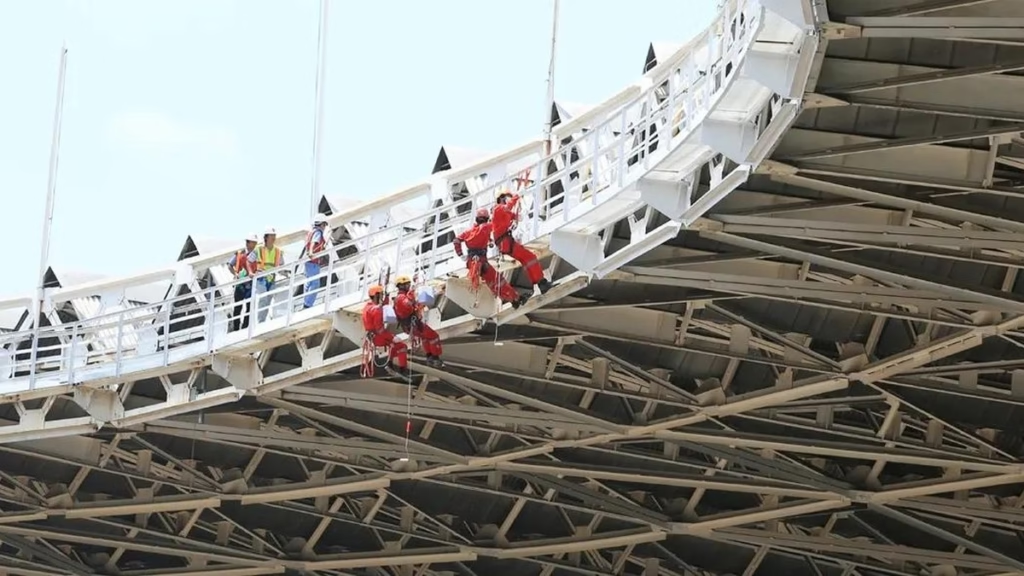
Many lighting systems are installed where access is difficult: stadium roof trusses, facades, bridges and tall industrial structures. Working at height is a routine part of lighting installation, and it is only routine when planning, equipment and people are right. Plan the work before the work Safe installation begins with a method statement. Access routes, anchor points, fixture handling, lifting plans and rescue arrangements are defined before the team arrives, and reviewed on site against actual conditions. Right equipment, trained people Certified harnesses, lanyards and rope-access equipment are inspected before every use, and installation teams are trained for the specific type of structure they work on. Fixtures are secured against dropped objects, and exclusion zones protect people below. Quality is part of safety A fixture that is aimed, mounted and cabled correctly the first time does not need to be revisited at height. Clear installation drawings, labelled cabling and on-site testing reduce rework and the exposure that comes with it. Our approach Documented method statements for every high-access task. Inspected equipment and trained, supervised crews. Testing and commissioning built into the installation schedule. Engineering, installation and maintenance are part of MMPP’s integrated lighting services, so the team that designs the system understands how it will be installed and serviced.
Lighting a national stadium: lessons from Gelora Bung Karno
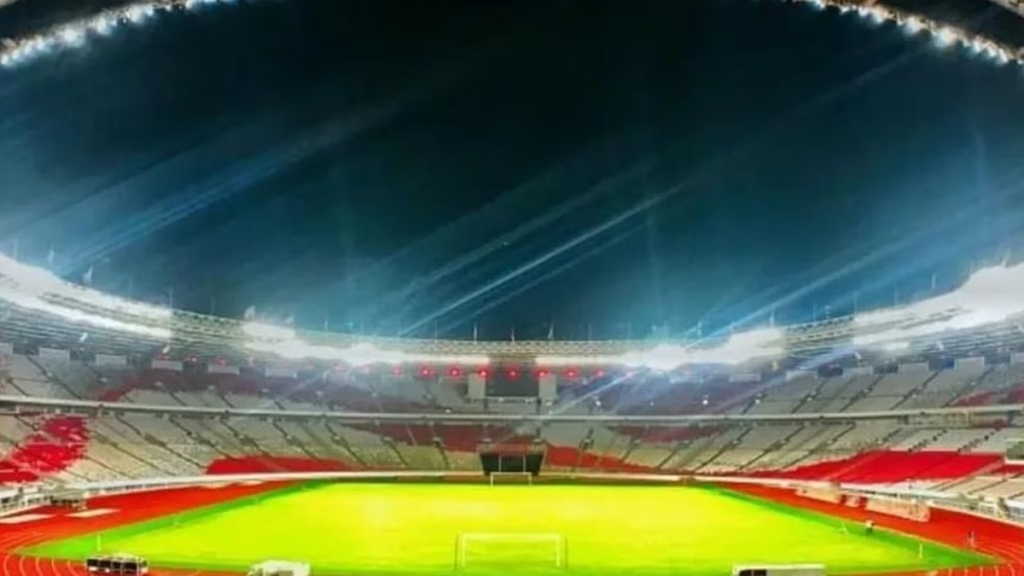
Large sports venues are among the most demanding lighting environments there are. The lighting must serve players, spectators, broadcasters and operators at the same time, and it must do so reliably, event after event. Field-of-play lighting Field-of-play lighting is designed around the needs of the game and of television. That means even illumination across the pitch, controlled glare for players and spectators, and consistent colour quality for broadcast cameras. Every fixture position, aiming angle and control setting is planned in the design stage and verified on site. Architectural lighting Outside the field of play, architectural lighting highlights the structure of the stadium, guides visitors through concourses and gives the venue its identity at night. Here, colour control and dynamic scenes matter as much as brightness. Mechanical & electrical works A lighting design only performs as well as the electrical system behind it. Power distribution, cabling, control networks and commissioning are part of the same scope, which is why an integrated approach reduces coordination gaps between design, supply and installation. Key takeaways Design for the event, the broadcast and the everyday operation of the venue. Treat lighting, control and electrical works as one integrated system. Commission and test the system with the operators who will run it. MMPP delivers lighting system integration for infrastructure projects across Indonesia, from design and engineering to installation and technical support.