
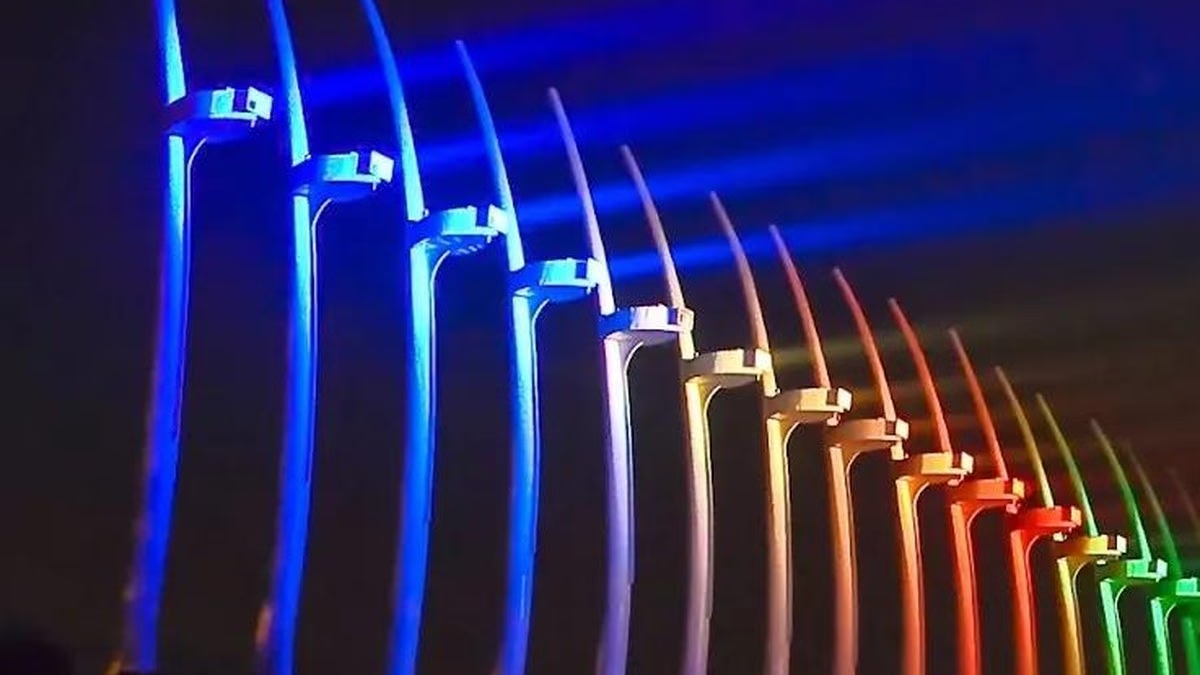
LED technology has made lighting more efficient and compact, but the biggest gains in flexibility and operating cost often come from how the lighting is controlled.
From switching to scenes
A modern control system lets operators recall saved scenes, schedule lighting by time or event, and adjust brightness and colour by zone. For architectural lighting this means one facade can present very different looks across the year without touching a fixture.
Efficiency and lifecycle cost
Dimming, scheduling and occupancy-based control reduce energy use, and monitoring helps maintenance teams find faults early. Over the life of a project, these savings and the reduced downtime are often more significant than the initial price of the fixtures.
Integration with other systems
Lighting rarely works alone. Control platforms can be connected to building management and automation systems, so lighting responds to the rest of the facility. Choosing open, well-supported protocols makes this integration reliable and future-proof.
What to look for
- A control architecture designed together with the lighting layout.
- Clear operator interfaces that non-specialists can use daily.
- Manufacturer support and spare-part availability for the long term.
MMPP works with established lighting and control manufacturers to deliver smart lighting systems that are engineered, commissioned and supported as a whole.